
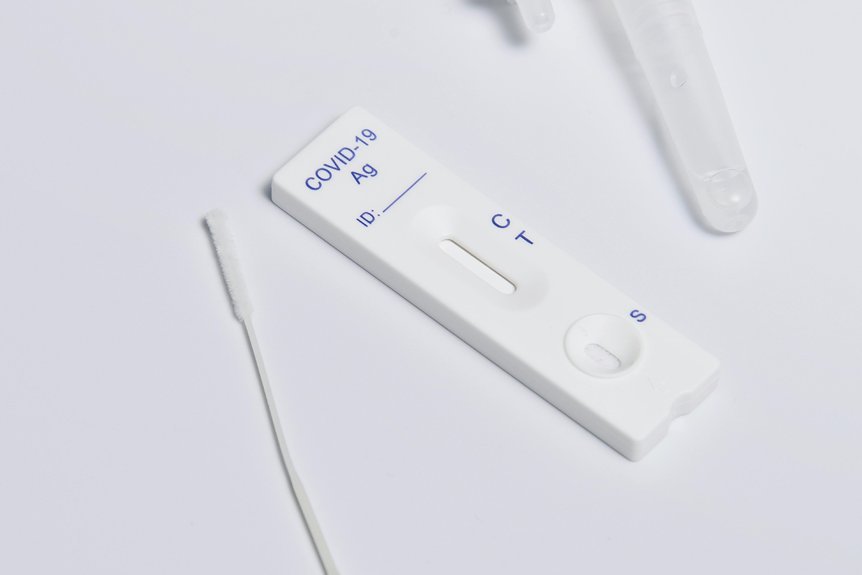
How to Test for Homorzopia Disease

Testing for Homorzopia disease requires a systematic approach to ensure accurate diagnosis. It involves genetic screening to identify specific mutations, blood tests to assess clinical symptoms, and imaging techniques for a comprehensive evaluation. This multi-faceted strategy not only aids in confirming the presence of the disease but also helps determine its severity. Understanding how these methods work together is crucial for effective management. What specific insights can emerge from each testing method?
Understanding the Symptoms of Homorzopia Disease
Homorzopia disease manifests through a range of symptoms that can significantly impact an individual’s quality of life.
Effective symptom identification is essential for understanding disease progression, as early recognition can lead to timely interventions. Symptoms may vary in intensity and duration, necessitating careful monitoring.
Accurate assessment enables individuals to better navigate their experiences and make informed decisions regarding their health and well-being.
Risk Factors and Who Should Get Tested
Understanding the symptoms of Homorzopia disease is important, but recognizing the risk factors associated with the condition is equally vital for effective prevention and early detection.
Individuals with a genetic predisposition may be at higher risk, while environmental triggers can exacerbate symptoms.
Those with a family history or exposure to specific environmental factors should consider getting tested to facilitate timely intervention.
Available Testing Methods for Homorzopia
Testing for Homorzopia disease involves several methods aimed at accurately diagnosing the condition. Among these, genetic screening is a crucial tool, identifying specific mutations linked to the disease.
Additionally, various diagnostic procedures, such as blood tests and imaging techniques, may be employed to assess clinical symptoms. Together, these methods provide a comprehensive approach to confirm the presence of Homorzopia and guide potential treatment options.
Interpreting Test Results and Next Steps
Once test results for Homorzopia disease are obtained, careful interpretation is essential to determine the presence and severity of the condition.
Test result interpretation guides healthcare professionals in identifying appropriate follow-up actions. Results indicating a positive diagnosis may necessitate further assessments or interventions, while negative results might allow for monitoring and lifestyle adjustments, empowering individuals to actively participate in their health management.
Conclusion
In conclusion, testing for Homorzopia disease is a multifaceted process that combines genetic screening, blood tests, and imaging techniques to form a comprehensive diagnostic picture. By identifying genetic mutations and clinical symptoms, healthcare professionals can navigate the complexities of the disease. Just as a skilled detective pieces together clues to unveil the truth, the careful analysis of these tests illuminates the path forward for affected individuals, guiding effective management strategies and interventions tailored to their unique needs.